You arrive at the office on a busy Tuesday morning, only to find the central server is down. Operations instantly halt, employees sit idle at their desks, and the inevitable panic sets in while you wait hours for a dispatched technician. These unexpected IT outages do far more than frustrate your hard-working team. They rapidly drain your operational budget through lost productivity, missed sales opportunities, and hefty emergency repair fees.
Accepting this chaotic, unpredictable cycle is no longer a sustainable business strategy for any operations manager. Transitioning from a reactive “break-fix” approach to a proactive IT strategy is an essential step for stable business growth and long-term data security. You need a reliable system that actively identifies and resolves minor issues before they pull the plug on your daily operations.
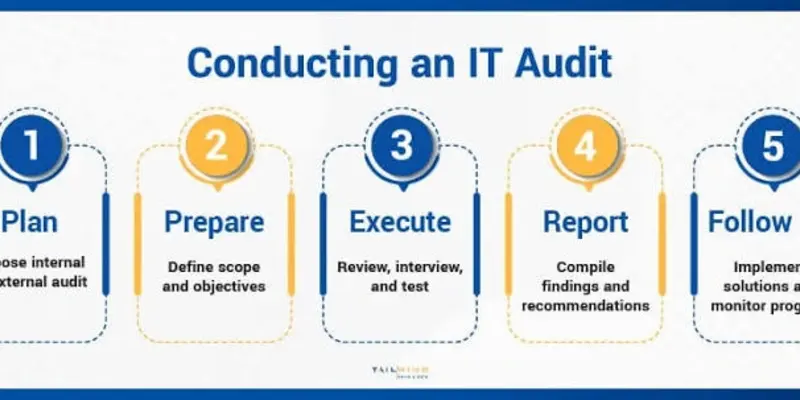
The most effective way to make this transition is by conducting a comprehensive IT infrastructure audit. This vital first step serves as a diagnostic health check for your entire organizational network. An audit pinpoints exact operational bottlenecks, highlights aging hardware, and lays the vital groundwork for a technology roadmap built entirely around your specific business goals.
The Hidden Financial Costs of the Reactive “Break-Fix” IT Model
The fundamental difference between the reactive break-fix IT model and proactive 24/7 managed IT services comes down to timing and intent. In a traditional break-fix scenario, you simply wait for a system component to fail before calling for help. Proactive managed services flip this script entirely by continuously monitoring your network to resolve small anomalies before they escalate into total system failures.
Waiting for hardware or software to break is a massive operational liability for any growing company. The hidden financial costs of IT downtime quickly eclipse the standard price of routine maintenance. When your network goes down, you are actively paying for idle employees, missing out on critical client communications, and severely damaging your professional reputation.
The financial damage accumulates at an alarming rate when systems go offline. According to Gartner, the average cost of IT downtime exceeds $5,600 per minute. This translates to a devastating $336,000 for a single hour of lost connectivity. Very few small or medium-sized businesses can absorb that kind of financial hit without suffering lasting structural consequences.
Relying on a reactive approach often leaves businesses vulnerable to extended downtime and unpredictable expenses. Partnering with an experienced IT consultant in Surrey can help you establish a proactive baseline through a comprehensive infrastructure audit, identifying vulnerabilities before they escalate into costly crises.
| Operational Feature | Reactive Break-Fix IT Model | Proactive Managed IT Services |
|---|---|---|
| Issue Resolution | Technicians fix problems only after they cause major outages. | Continuous 24/7 monitoring resolves issues before they impact users. |
| Cost Structure | Unpredictable, hourly emergency repair fees and rushed hardware costs. | Predictable, flat-rate monthly fees that make long-term budget planning easy. |
| System Health | Hardware and software degrade continuously until total failure occurs. | Regular updates, security patches, and lifecycle management keep systems healthy. |
| Business Focus | Operations managers waste valuable time putting out daily IT fires. | Leadership focuses entirely on core business growth and strategic planning. |
Core Areas Evaluated During an IT Infrastructure Audit
You simply cannot improve what you do not accurately measure. An experienced IT consultant evaluates specific operational and technical areas during an infrastructure audit to build a custom, highly effective technology roadmap. This exhaustive process maps out every piece of hardware, software application, and data pathway currently operating within your organization.
A thorough audit completely avoids a generic, “one-size-fits-all” approach to technology. Instead, the focus remains squarely on assessing the distinct operational workflows and specific needs of your business. What works perfectly for a logistics warehouse might fail miserably for a local healthcare clinic, making a highly tailored assessment absolutely necessary.
The assessment breaks down into several key technical phases to ensure no stone is left unturned. The following sub-sections outline the critical areas consultants thoroughly review to stabilize operations, secure your data, and optimize your overall budget.
Network Integrity and Security Assessments
Your network acts as the central nervous system of your daily business operations. A network and security assessment carefully analyzes this infrastructure to uncover hidden vulnerabilities before malicious actors can exploit them. Consultants actively look for weak wireless access points, outdated firewall rules, and unprotected customer data stores.
This process involves auditing your current security protocols and measuring actual network performance against strict industry compliance standards. The primary goal is to build a fortified perimeter and reliable internal safety nets. This keeps unauthorized external users out while ensuring your internal team has fast, reliable access to their daily tools.
The financial consequences of ignoring these internal vulnerabilities are well documented. The IBM Cost of a Data Breach 2024 report found the global average cost reached a record $4.88 million. Repairing a breached network, managing the inevitable public relations fallout, and paying steep regulatory fines can easily bankrupt a growing company.
This data point directly connects back to the urgent business imperative for proactive threat monitoring. Scrambling to patch a security hole after a cyber attacker has already stolen your data is a losing battle. Continuous security assessments ensure your internal defenses evolve just as quickly as modern cyber threats do.
Disaster Recovery and Business Continuity Protocols
Even the most secure networks can fall victim to office fires, regional floods, or sudden, unforeseen hardware failures. This is precisely where disaster recovery and business continuity play their vital role in a modern, resilient IT strategy. They ensure your business can keep running smoothly or quickly resume core operations immediately following a catastrophic event.
During an audit, consultants deeply evaluate your existing data backup solutions and fast-recovery protocols. They test exactly how often your data is backed up, where it is physically stored, and exactly how long it takes to restore an entire server. Simply having an old backup drive sitting in the office closet is no longer enough to prevent devastating data loss.
The statistics surrounding unmitigated data loss are grim for unprepared organizations. Industry research shows that 70% of small firms go out of business within a year of experiencing a large data loss. Without a thoroughly tested recovery plan, a single server failure can permanently erase years of hard work, vital client records, and sensitive financial data.
You must frame these protocols not just as routine IT tasks, but as essential insurance for your company’s actual operational survival. A proactive audit guarantees that your disaster recovery plan is realistic, fully tested, and ready to deploy at a moment’s notice to save your business.
Optimizing Cloud Solutions and Virtualization Environments
Physical office servers take up valuable floor space, consume massive amounts of electrical power, and require expensive physical upgrades. An IT audit helps optimize your cloud solutions and virtualization strategies to drastically reduce these on-premises capital expenses. By moving resources to the cloud or virtualizing your servers, you break down hardware silos and streamline your entire workflow.
Migrating to enterprise-grade, integrated cloud environments improves team collaboration across the entire board. Employees can securely access the files they need from anywhere, fostering a more flexible, remote-friendly, and responsive work environment. An audit identifies exactly which legacy applications are ready for the cloud and which should remain running on local hardware.
Consultants often highlight the massive value of integrating specialized open-source virtualization platforms, such as Proxmox. Auditing and deploying a system like Proxmox allows you to run multiple virtual servers on a single piece of physical hardware. This modern approach brilliantly consolidates server resources, drastically reduces hardware energy consumption, and eliminates expensive, recurring licensing overhead.
The Financial Advantage of Predictable, Flat-Rate Pricing
Financial planning is incredibly difficult for operations managers when you cannot accurately predict your monthly expenses. Predictable, flat-rate pricing benefits small to medium-sized businesses by completely replacing the erratic cost of emergency repair fees. You pay a single, highly transparent monthly rate that comprehensively covers all your IT needs, routine maintenance, and helpdesk support.
This pricing model entirely removes the deep anxiety of hidden, surprise IT expenses. Instead of dreading the invoice every single time a technician visits the office, you gain the stability of a strategic technology roadmap and clear budgeting. You know exactly what your IT infrastructure will cost in January, June, and December without any guesswork.
Paying a flat rate perfectly aligns the goals of your business with the financial goals of your IT provider. Since the provider does not charge by the hour for emergency repairs, they are highly motivated to use 24/7 proactive monitoring to prevent problems in the first place. This actively resolves minor IT issues well before they cause the wildly expensive system downtime discussed earlier in this article.
Conclusion
Operating a successful, growing business requires financial stability, strategic foresight, and a highly secure operational foundation. Moving beyond the reactive break-fix model is a non-negotiable step for secure, sustainable business growth. Waiting for your critical technology to fail is simply too expensive and too risky in our modern digital landscape.
A comprehensive IT infrastructure audit provides the exact operational clarity you need to move forward confidently. By thoroughly evaluating your network security, stress-testing your disaster recovery plans, and optimizing your virtualization setups, you eliminate technical vulnerabilities before they impact your bottom line. You gain a clear, actionable blueprint for a highly resilient technology ecosystem.
When you decide to hire an IT consultant to assess your business, look for specific expertise that guarantees a strong, long-term partnership. You want a trusted team that offers proven 24/7 proactive monitoring capabilities, completely transparent flat-rate pricing, and a commitment to building tailored infrastructure strategies. Avoid vendors who push generic packages without taking the time to understand your specific operational workflow.
Investing in a proactive IT assessment is not just another technical expense on the ledger. It is a vital, strategic investment in the secure future of your company that yields massive returns. Taking the time to audit and secure your network today guarantees long-term return on investment, operational peace of mind, and the total freedom to focus entirely on scaling your business.