Most security incidents don’t start with a sophisticated, novel attack. They start with something far more mundane: a misconfigured setting nobody noticed, a former employee’s account that was never deactivated, a patch that got delayed and then forgotten entirely. These gaps sit quietly in a business’s environment, sometimes for months, until an attacker finds them before anyone on the inside does.
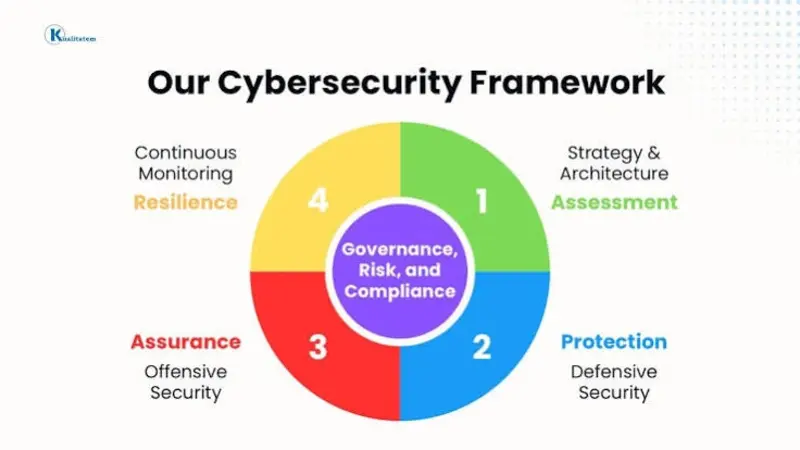
A cyber defense assurance audit exists specifically to close that window. Rather than waiting for a breach to reveal where the weaknesses were, a thorough audit goes looking for them deliberately, testing systems, configurations, and access controls the same way an attacker eventually would, but intending to fix what’s found rather than exploiting it.
Why Gaps Accumulate Even in Well-Run Businesses
Security gaps rarely appear because a business is careless. They accumulate because environments change constantly and nobody has a structured process for catching every change that introduces new risk. A new application gets deployed with default permissions nobody tightened. An employee changes roles and retains access to systems they no longer need. A firewall rule that made sense two years ago never gets revisited even though the business it was protecting has changed considerably since then.
None of these individually looks like a crisis. Collectively, they represent exactly the kind of accumulated risk that a point-in-time security tool, like a single vulnerability scan, often misses, because scans typically check for known technical flaws rather than the broader pattern of drift that builds up across configurations, access permissions, and outdated assumptions over time.
What a Thorough Audit Actually Examines
| What a Basic Scan Checks | What a Full Assurance Audit Examines |
| Known software vulnerabilities | Configuration drift across the full environment |
| Missing security patches | Access permissions that no longer match actual need |
| Surface-level network exposure | How systems would actually respond to a real attempt at compromise |
| A snapshot at one point in time | Patterns that reveal where risk has been quietly accumulating |
| Automated, largely unsupervised output | Expert analysis connecting findings to real business impact |
The right column requires more than automated tooling. It requires people who understand how these gaps actually get exploited in practice, not just which ones a scanner happened to flag.
Why Timing Changes the Entire Outcome
The value of an audit comes almost entirely from when it happens relative to an actual incident. A gap identified during a scheduled audit is a fix: a permission gets revoked, a configuration gets corrected, a patch gets applied. The exact same gap discovered during a breach investigation is something else entirely: a root cause, a liability question, and often a much more expensive and disruptive process to resolve.
That difference in timing is the entire argument for proactive auditing rather than relying solely on reactive detection. Businesses that only find out about their vulnerabilities after an attacker already has are, by definition, always one step behind. Businesses running regular assurance audits get to be the ones who find the gap first, while it’s still just a finding rather than an incident report.
What Happens After the Audit Matters as Much as the Audit Itself
An audit that produces a long list of findings and nothing else isn’t especially useful on its own. The value comes from what happens next: findings prioritized by actual risk rather than treated as an undifferentiated list, a realistic remediation timeline attached to each one, and someone accountable for confirming those fixes actually get implemented rather than sitting in a report that nobody revisits.
Working with IT support solutions in Greenville or in any other market that treats the audit as the beginning of a remediation process, not the end of an engagement, is what separates a genuinely useful assessment from a compliance exercise conducted purely to check a box.
Questions Worth Asking About a Current Security Audit Process
- Does the audit go beyond automated scanning to examine configuration drift and access permissions specifically?
- Are findings prioritized by actual business risk, or presented as an undifferentiated list?
- Is there a documented remediation timeline, and does anyone confirm fixes actually get completed?
- How long has it been since the last full audit, versus a routine automated scan?
A business that can’t answer these clearly is likely relying on point-in-time scanning rather than the kind of thorough assurance audit designed to catch the gaps a scanner would miss.
Closing the Window Before Someone Else Finds It
None of this requires assuming every business is at imminent risk. It requires recognizing that security gaps accumulate naturally in any active, changing environment, and that the only real question is whether a business finds those gaps through a scheduled audit or through an attacker who found them first. A cyber defense assurance audit exists to make sure it’s the former, catching the misconfiguration, the forgotten account, or the outdated permission while it’s still a quiet finding in a report rather than the opening chapter of a breach investigation.
The businesses that treat these audits as routine, rather than reactive, tend to have a different relationship with their own risk. They aren’t more confident because they assume nothing will ever go wrong. They’re more confident because they’ve built a process that regularly answers the question most companies only ask after it’s too late: what’s actually been quietly changing in our environment, and does anyone still have access, permission, or exposure they shouldn’t?