How the Right Dog Show Collar Enhances Your Dog’s Ring Presentation
Introduction
In the conformation ring, a dog’s outline, movement, and overall balance should draw the judge’s attention, not the equipment used to present them. The collar may seem like a small detail, but its size, finish, and construction can influence how clearly the dog’s neck and topline appear during evaluation.
Choosing show equipment involves more than finding something attractive. Handlers need gear that provides appropriate control, sits comfortably, and works with the dog’s coat and proportions. A bulky collar may overwhelm a delicate neck, while a poorly designed chain can snag hair or make handling less fluid.
The best equipment supports the presentation without becoming the focus. When collar design, fit, and handling technique work together, the judge can concentrate on the dog’s natural structure and movement.
What Are the Guidelines for Acceptable Conformation Collars?
Dog shows have rules governing the equipment handlers may use in the ring. Before choosing a collar, exhibitors should review the requirements for their organization and competition rather than assume that every everyday walking product is acceptable.
Equipment should meet the applicable rules while allowing the handler to present the dog safely and effectively. Beyond compliance, the choice should support a neat, controlled presentation. Bulky walking collars, prominent harnesses, and unnecessary attachments can make the neck area appear cluttered.
The aim is not to hide equipment at the expense of control or comfort. A handler still needs a secure connection and a design appropriate for the dog’s size, temperament, and training. Good presentation comes from combining suitable equipment with practiced handling.
The Aesthetic Precision of Discreet Hardware
A well-chosen show collar can blend with a dog’s coat and proportions instead of creating a strong visual break around the neck. This matters when a judge examines the topline, neck carriage, and transition from the head to the shoulders.
The collar’s width, material, and finish all influence its appearance. A heavy chain can dominate the neck of a small, delicate breed, while a very fine chain may look out of proportion on a larger dog. Choosing the right scale helps maintain a balanced overall picture.
For handlers seeking a streamlined setup, dog show chain slip collars offer a low-profile option for ring presentation. The important consideration is how the collar sits on the individual dog. It should provide appropriate control without unnecessary bulk or distracting movement.
Handling technique matters just as much as equipment selection. Even a suitable collar can become visually prominent if the lead is held awkwardly or maintained under constant tension. Handlers should practice keeping the lead controlled and their movements composed, allowing the dog to stand and move naturally.
During gaiting and stacking, the equipment should remain unobtrusive. When the dog moves comfortably and the handler makes smooth adjustments, the overall presentation looks more polished without drawing attention away from the animal.
How Do Metal Finishes Affect Ring Presentation?
Metal finish is a small detail that can influence how noticeable a collar appears against a dog’s coat. A bright chain may stand out against dark fur, while a darker finish may blend more readily into a black or deep-colored coat.
Handlers sometimes consider silver, brass, or darker finishes to complement the dog’s coloring. A lighter finish may be less noticeable against a pale coat, while a warmer or darker tone may suit red, brown, or black coloring. The right choice depends on the dog’s coat, the lighting, and the appearance of the hardware.
However, appearance should never be the only consideration. Hardware needs to be durable, smooth, and suitable for its intended use. A visually subtle collar is not a good choice if its links catch the coat, its fittings are unreliable, or it does not fit correctly.
The goal is a balanced presentation in which equipment supports the handler’s work without competing with the dog’s natural features.
Why Matching Collar Gauge to Breed Size Matters
Collar gauge should be appropriate for the dog’s physical scale. A chain that is too heavy can overwhelm a small breed, while one that is excessively fine may look out of proportion on a larger dog.
Conformation judging focuses on how closely a dog matches the ideal described in its breed standard. Equipment should complement the individual dog’s proportions rather than draw attention away from them.
For a small breed such as a Papillon, a fine, lightweight chain may provide a cleaner visual effect. A larger, heavier-built breed may require a sturdier option that is still appropriately scaled. These are starting points, not fixed rules. Coat type, neck size, temperament, and the handler’s experience all influence the best choice.
A collar that is too bulky can obscure some of the neck’s outline. One that is too fine may be difficult for the handler to manage comfortably. Selecting a suitable gauge helps balance appearance and practical control.
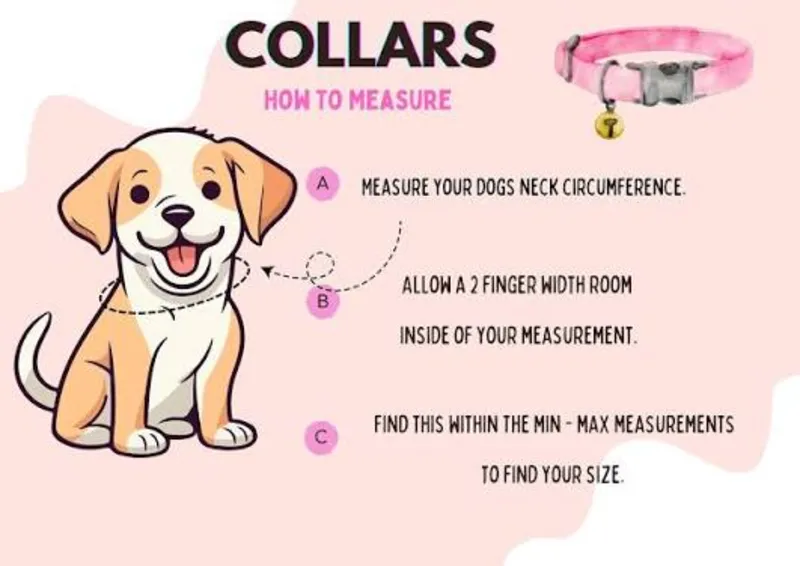
Fit is equally important. The collar should sit in the intended position without constant pressure or excessive movement. Handlers should follow product guidance and ensure their equipment does not restrict breathing or cause discomfort.
Protecting the Coat and Reducing Hair Breakage
A carefully groomed coat can take considerable time to prepare, particularly for breeds with dense undercoats, long furnishings, or prominent neck ruffs. Collar design is one factor worth considering when trying to prevent unnecessary tangling and breakage.
Some chain designs have openings or edges that can catch individual hairs, especially when the collar repeatedly moves through thick fur. Repeated snagging may contribute to broken strands or tangles around the neck.
Smooth construction can reduce that risk. A closely linked, well-finished chain may move more easily through the coat than hardware with rough edges or gaps that catch hair. Regular inspection also helps handlers identify worn links, rough spots, or damaged fittings before they become a problem.
Material quality should be considered alongside maintenance. Metal can become discolored or corroded depending on its composition and exposure to moisture. Cleaning and drying equipment according to the manufacturer’s instructions helps preserve its condition.
No collar design can guarantee that coat damage will never occur. Grooming technique, coat condition, fit, and how the equipment is used all play a role. The practical aim is to minimize avoidable friction while keeping the dog comfortable and safely under control.
How Does a Smooth Slip Collar Support Handler Communication?
A slip collar allows the handler to apply and release lead tension through movement of the lead. In experienced hands, small adjustments can help guide the dog’s position during stacking or gaiting without exaggerated movements.
The key is timing and restraint. A handler should use light, controlled cues and release tension promptly when the dog responds. Pulling continuously or applying excessive force can cause discomfort and may affect the dog’s confidence in the ring.
Dogs also benefit from preparation outside the show environment. Practice with standing for examination, moving at the appropriate pace, and responding calmly to handling helps them understand what is expected. Training should gradually familiarize the dog with the sights, sounds, and physical handling involved in a competition.
Equipment alone cannot create that confidence. The collar needs to fit correctly, and the handler must understand how to use it safely. Dogs that show signs of coughing, distress, fear, or resistance should not be pushed through the exercise. Their comfort and welfare must take priority over presentation.
When training and equipment work together, the dog can move with greater ease and the handler can focus on maintaining a composed, consistent performance.
Choosing Equipment for a Consistent Show Presentation
Before entering the ring, exhibitors should check more than whether a collar looks right. They should confirm that the equipment meets competition rules, fits the dog, works reliably, and suits the coat.
Inspect the links, fittings, and connection points for damage. Check that the collar moves smoothly and does not snag hair. Practice handling with the actual equipment before show day so neither the handler nor the dog has to adjust to an unfamiliar setup under pressure.
It also helps to consider the overall picture. The collar, lead, handling technique, and dog’s preparation should work together. Repeated changes in equipment can make it harder to maintain a consistent routine, so finding a suitable setup and using it correctly is often more useful than chasing minor aesthetic differences.
Conclusion
Effective show equipment rarely needs to call attention to itself. The right collar supports control and presentation while allowing the dog’s natural anatomy, coat, and movement to remain the focus.
Selecting the appropriate gauge, finish, and construction can make the equipment look more balanced and may help reduce unnecessary coat snagging. Correct fit, regular inspection, and thoughtful handling are just as important as the material itself.
There is no single collar that works best for every breed or every handler. The right choice depends on the dog’s proportions, coat, training, and the requirements of the show. By weighing these factors together, exhibitors can create a cleaner presentation without compromising comfort or control.
Ultimately, equipment should support the partnership between handler and dog. When it is suitable, properly fitted, and used with care, it becomes a quiet part of the presentation, allowing the dog’s qualities to speak for themselves.