FastTurn PCBA: Improving Precision in PCB Assembly Processes
The electronics manufacturing industry depends on accurate production processes to create reliable and efficient electronic products. From consumer devices and communication equipment to automotive systems and industrial machinery, printed circuit boards (PCBs) play an essential role in modern technology. As electronic designs become increasingly complex, manufacturers must maintain high levels of precision throughout fabrication and assembly. Low volume pcb assembly has become particularly valuable for businesses developing prototypes, specialized electronics, and limited production runs without requiring large manufacturing quantities.
PCB assembly involves several technical operations, including component placement, soldering, inspection, and testing. Each stage must be carefully managed to ensure that electronic components function correctly and meet project specifications. Companies that understand these processes can make better manufacturing decisions and improve the reliability of their finished products.
Why Precision Matters in PCB Assembly
Precision is one of the most important factors in electronic manufacturing. A printed circuit board may contain hundreds or thousands of components, depending on its design and intended application. Incorrect component placement, poor solder connections, or manufacturing defects can affect the entire electronic system.
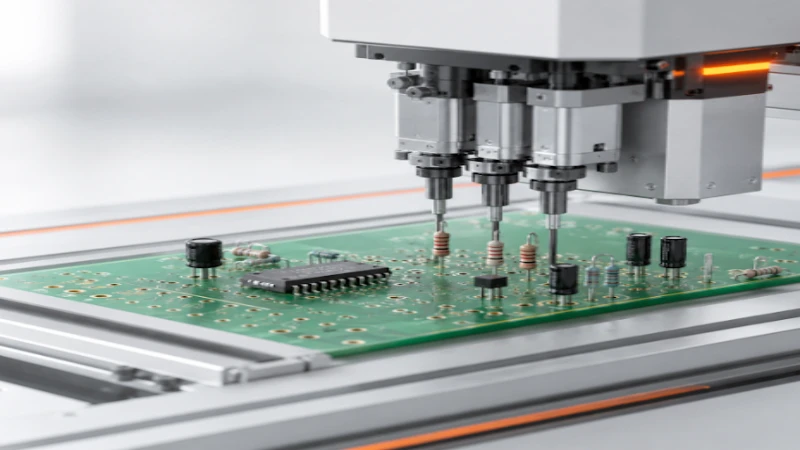
Modern PCB assembly facilities use advanced equipment and controlled production procedures to minimize these problems. Automated placement machines position electronic components according to digital design files, while specialized soldering techniques establish reliable electrical connections.
Accurate assembly provides several important benefits:
- Reliable performance: Correct component placement supports consistent electrical operation.
- Reduced defects: Controlled production processes help minimize assembly errors.
- Improved efficiency: Automation reduces unnecessary manual handling.
- Consistent quality: Standardized procedures support repeatable manufacturing results.
- Better durability: Proper soldering and inspection help improve product reliability.
Maintaining precision throughout production is essential for businesses that depend on dependable electronic equipment.
Understanding Low-Volume PCB Assembly
Not every electronics project requires thousands of circuit boards. Startups, product developers, research organizations, and established businesses often need smaller quantities for testing, evaluation, or specialized applications.
Low-volume PCB assembly provides a practical solution for these requirements. It allows companies to manufacture limited quantities of assembled circuit boards while evaluating product performance and preparing for future production.
This approach is particularly useful during early product development. Engineers can test different circuit configurations, evaluate component compatibility, and identify potential design problems before committing to larger manufacturing orders.
Some common applications include:
- Electronic product prototypes.
- Research and development projects.
- Specialized industrial equipment.
- Custom electronic devices.
- Initial product launches.
- Replacement circuit boards for older equipment.
Low-volume production also gives businesses greater flexibility when making design improvements. Instead of maintaining large inventories of unfinished products, companies can manufacture quantities that better match their immediate requirements.
The Role of Automated Assembly Technology
Automation has significantly improved modern PCB assembly processes. Advanced machines can place small electronic components with high accuracy and repeatability, helping manufacturers handle increasingly complex circuit board designs.
Surface Mount Technology (SMT) is one of the most widely used assembly methods. It allows electronic components to be mounted directly onto the surface of a PCB. Automated pick-and-place machines position components according to programmed instructions, while reflow soldering creates electrical connections.
Through-hole technology remains important for components that require additional mechanical strength. In this process, component leads pass through holes in the circuit board and are soldered into position.
Depending on product requirements, manufacturers may combine SMT and through-hole techniques to achieve the desired electrical and mechanical performance.
Automation offers several advantages:
- More accurate component positioning.
- Consistent soldering results.
- Faster production operations.
- Reduced manual assembly errors.
- Better support for compact electronic designs.
Combining automated equipment with experienced technicians helps manufacturers maintain control over different production requirements.
Quality Inspection and Testing Procedures
Quality inspection is essential for identifying manufacturing problems before assembled circuit boards reach customers. Even minor defects can create performance issues, particularly in electronic products used for continuous operation.
Manufacturers use several inspection methods to evaluate assembly quality. Automated Optical Inspection (AOI) examines circuit boards for missing components, incorrect positioning, and visible soldering defects.
X-ray inspection is useful for examining hidden connections that cannot be easily viewed from the board surface. It is particularly valuable for certain advanced component packages.
Electrical testing checks circuit continuity and identifies potential short circuits. Functional testing evaluates whether the assembled board performs according to its intended design specifications.
A comprehensive quality process helps manufacturers achieve:
- Improved electrical reliability.
- Accurate component installation.
- Reduced production defects.
- Consistent manufacturing standards.
- Better finished-product performance.
Regular inspection also helps identify recurring problems and provides opportunities to improve production procedures.
Material Selection and Component Management
PCB assembly quality depends not only on manufacturing equipment but also on the materials and electronic components used during production.
Circuit boards may require different substrates depending on operating temperature, electrical performance, mechanical strength, and application requirements. FR-4 is commonly used in standard electronic applications, while specialized materials may be necessary for high-frequency or demanding environments.
Component selection is equally important. Manufacturers must consider electrical ratings, package dimensions, compatibility, and availability when sourcing electronic parts.
Using appropriate materials and components can help reduce manufacturing complications and improve the reliability of the final assembly.
Businesses should provide accurate component lists, design files, and technical specifications before production begins. Clear documentation helps manufacturing teams understand project requirements and avoid unnecessary revisions.
Applications Across Modern Industries
PCB assembly supports numerous industries where accurate electronic operation is essential.
Consumer Electronics: Smartphones, computers, cameras, and household appliances depend on assembled circuit boards for their functionality.
Automotive Electronics: Vehicles use PCBs in sensors, navigation systems, lighting controls, and battery management systems.
Medical Equipment: Monitoring devices and diagnostic instruments require carefully assembled electronic components.
Industrial Automation: Robotics, control systems, and production machinery rely on dependable circuit boards.
Telecommunications: Networking equipment and communication devices use advanced assemblies to support signal processing and data transmission.
Different applications require different manufacturing standards, making technical planning and quality control important throughout production.
How FastTurn PCBA Supports Modern Manufacturing
Selecting an appropriate PCB manufacturing partner can make a significant difference in product development and production management. Businesses should evaluate technical capabilities, assembly methods, quality inspection procedures, and communication practices before choosing a provider.
FastTurn PCBA focuses on PCB manufacturing and assembly solutions for different electronic project requirements. Businesses exploring its services can consider their board specifications, component requirements, production quantities, and quality expectations when evaluating suitable manufacturing options.
A well-organized manufacturing process begins with accurate project documentation. Sharing design files, bill of materials (BOM), and assembly instructions helps ensure that production teams understand the intended requirements.
Communication between customers and manufacturers is also important when technical questions arise. Discussing component availability, design limitations, and inspection expectations early can help prevent delays and improve overall project coordination.
Conclusion
Precision in PCB assembly is essential for producing reliable electronic products across modern industries. Accurate component placement, suitable materials, automated manufacturing equipment, and effective quality inspection all contribute to consistent results. Low-volume production also gives businesses the flexibility to develop prototypes, test new designs, and manufacture specialized electronic products without requiring large quantities. By understanding these manufacturing requirements and selecting appropriate production solutions, companies can improve their development processes. FastTurn PCBA remains relevant to the evolving electronics industry through its focus on PCB manufacturing and assembly solutions for different project needs.