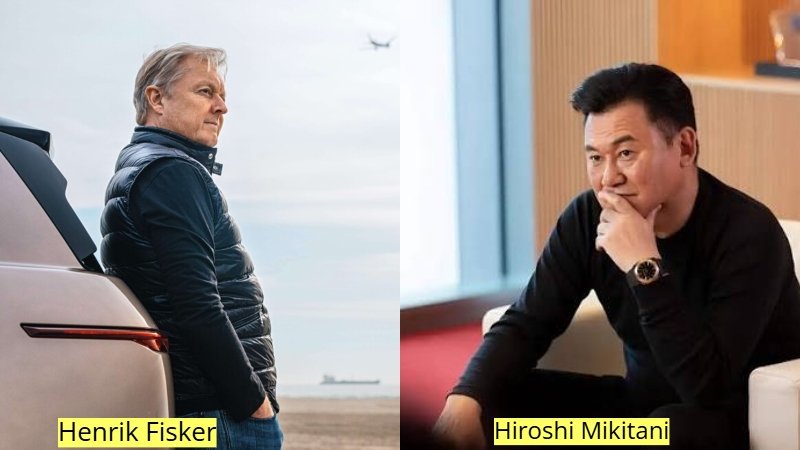
Hiroshi Mikitani and Henrik Fisker are entrepreneurs known for pursuing innovation in very different industries. Mikitani built Rakuten into a diversified digital business group, while Fisker developed a career in automotive design before entering the electric-vehicle market. Although their names may appear together in online searches, their professional backgrounds are largely associated with separate businesses.
Understanding their careers provides a useful perspective on entrepreneurship, business strategy, technological innovation, and the challenges of turning ambitious ideas into sustainable companies. Their stories also highlight how different industries demand different approaches to growth and long-term success.
Who is Hiroshi Mikitani?
Hiroshi Mikitani is a Japanese entrepreneur best known for founding Rakuten Group. Born on March 11, 1965, he studied at Hitotsubashi University in Tokyo and later earned an MBA from Harvard Business School in 1993. Before establishing his own company, he worked at the Industrial Bank of Japan, gaining experience in finance and business.
In February 1997, Mikitani founded the company that became Rakuten. Its online marketplace, Rakuten Ichiba, launched in May of that year. His approach focused on helping merchants reach customers through the internet rather than relying exclusively on traditional retail channels.
Over time, Rakuten expanded beyond e-commerce into financial technology, digital content, mobile communications, and other services. This expansion created a broad business ecosystem in which customers and merchants can use multiple services within the same group.
According to Rakuten’s official management information, Mikitani remained its Chairman, President, and CEO as of April 2026. His professional focus has therefore extended well beyond operating an online shopping platform to managing a diversified international business.
His career illustrates how a company can develop from a specific commercial idea into a broader technology ecosystem. However, operating across multiple sectors also requires substantial investment, coordination, and continued adaptation to changing customer expectations.
Who is Henrik Fisker?
Henrik Fisker is a Danish automotive designer and entrepreneur known for his work on luxury vehicles and his efforts to develop electric cars. His career has combined vehicle design, product development, and business ownership.
Fisker worked with major automotive brands, including BMW and Aston Martin. His design career helped establish his reputation in an industry where appearance, performance, engineering, and brand identity influence how customers perceive a vehicle.
He later pursued his own automotive ventures. Fisker Automotive developed the Fisker Karma, a luxury plug-in hybrid vehicle introduced during the early development of the modern electric-car market. His subsequent company, Fisker Inc., focused on electric vehicles, including the Fisker Ocean SUV.
The Ocean represented an attempt to compete in a growing market for battery-powered vehicles. Its design and technology attracted attention, but bringing a new vehicle to market required more than an appealing product concept. Manufacturing, software development, deliveries, customer support, and financing all played important roles.
Fisker’s career demonstrates the difference between creating a vehicle concept and building a sustainable automotive business. Even experienced designers face considerable operational and financial challenges when moving from design work into large-scale vehicle production.
How their business careers different?
Hiroshi Mikitani and Henrik Fisker share an interest in innovation, but their professional paths developed around different commercial models.
Mikitani’s work centers on digital services and a diversified technology ecosystem. Rakuten connects merchants and consumers while operating across several business sectors. This structure creates opportunities for cross-selling services, developing customer relationships, and expanding through technology.
Fisker’s work has focused on automotive design and electric-vehicle ventures. The automotive industry requires significant capital, specialized manufacturing capabilities, reliable supply chains, safety compliance, and extensive after-sales support. These demands can make launching and scaling a vehicle company particularly challenging.
Their approaches to innovation also reflect their industries. Digital businesses can introduce software updates and expand online services, although they still face competition and infrastructure costs. Vehicle manufacturers must coordinate physical production with software, engineering, regulatory requirements, and distribution.
Neither industry guarantees success. A strong concept must be supported by sound financial planning, effective execution, and the ability to respond to market conditions.
Important business developments in 2026
Developments involving both entrepreneurs provide additional context for understanding their careers.
As of April 1, 2026, Rakuten’s official management page listed Mikitani as its Chairman, President, and CEO. Rakuten continued to operate across e-commerce, fintech, communications, and digital services. Its diversified structure differs considerably from a company focused primarily on manufacturing vehicles.
Henrik Fisker’s more recent business history has been shaped by the collapse of Fisker Inc. The company filed for Chapter 11 bankruptcy protection in June 2024 after facing substantial financial and operational difficulties. Its bankruptcy process included the sale of remaining Ocean vehicle inventory and the liquidation of other assets.
In February 2026, TechCrunch reported that the U.S. Securities and Exchange Commission had closed its investigation into Fisker in September 2025. The report noted that the extent of the investigation remained unclear. The closure should not, by itself, be interpreted as a finding about every aspect of the company’s conduct.
Bankruptcy-related court proceedings also continued into 2026. Readers seeking the latest legal developments should consult the Fisker bankruptcy court document record, because individual filings may concern specific claims or administrative matters rather than establish new findings about Henrik Fisker personally.
These developments illustrate how business outcomes depend on more than innovation alone. Leadership, financial resources, execution, and industry conditions can all influence whether a company achieves its objectives.
Are Hiroshi Mikitani and Henrik Fisker connected?
There is no verified public evidence identified in the sources reviewed for this article establishing a direct business partnership, joint venture, or investment relationship between Hiroshi Mikitani and Henrik Fisker.
Their names can be discussed together because both have pursued entrepreneurship and innovation. However, a shared appearance in search results does not establish that they have worked together or maintained a personal relationship.
Their more meaningful point of comparison is their professional experience. Mikitani developed a broad digital business ecosystem through Rakuten, while Fisker pursued automotive design and electric-vehicle ventures.
Any claim about a direct connection would require reliable documentation, such as an official announcement, corporate filing, or credible reporting. Without such evidence, it is more accurate to compare their careers independently.
Key differences at a glance
| Category | Hiroshi Mikitani | Henrik Fisker |
|---|---|---|
| Nationality | Japanese | Danish |
| Main professional field | Technology and digital services | Automotive design and electric vehicles |
| Best-known association | Rakuten Group | Fisker automotive ventures |
| Entrepreneurial focus | E-commerce and a diversified digital ecosystem | Vehicle design and electric mobility |
| Major business challenge | Managing growth across multiple sectors | Financing and executing vehicle development and production |
Frequently asked questions
Who is Hiroshi Mikitani?
Hiroshi Mikitani is a Japanese entrepreneur who founded Rakuten in 1997 and helped expand it into a diversified technology and digital services group.
What is Henrik Fisker known for?
Henrik Fisker is known for automotive design, work associated with BMW and Aston Martin, and his electric-vehicle ventures, including Fisker Inc.
Are Hiroshi Mikitani and Henrik Fisker business partners?
The reliable public sources reviewed for this article do not establish a direct business partnership between them.
What happened to Fisker Inc.?
Fisker Inc. filed for Chapter 11 bankruptcy protection in June 2024. Its subsequent proceedings involved the sale of vehicle inventory and the liquidation of company assets.
Conclusion
Hiroshi Mikitani and Henrik Fisker represent two different paths through modern entrepreneurship. Mikitani built Rakuten into a diversified digital business group, while Fisker combined automotive design expertise with efforts to develop electric vehicles. Their careers show that innovation can create opportunities, but sustainable business growth also requires financial discipline, operational execution, and adaptation to changing markets.
Explore more stories about influential figures and their professional journeys in our article on Derek Jeter and Hans Vestberg.