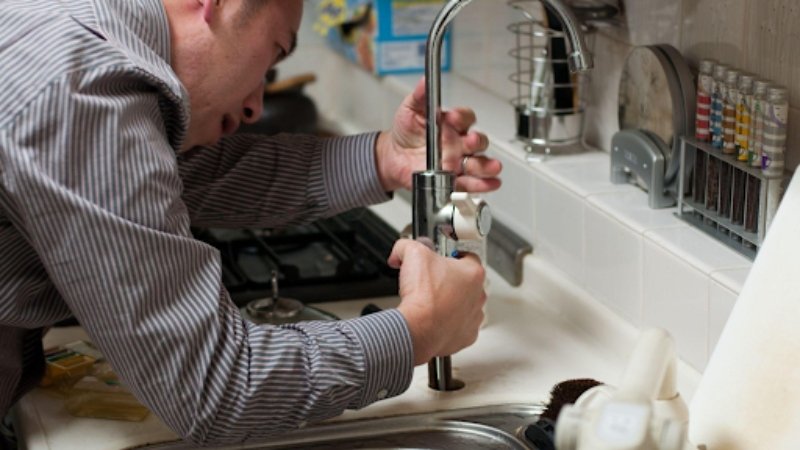
Old houses have a way of getting under your skin. Maybe it’s the hardwood that’s been walked on for a hundred years, or the trim work nobody bothers to do anymore. Whatever it is, the place feels real. The plumbing, though, has been getting older right alongside the rest of it. And unlike a creaky floorboard, pipe trouble usually hides until the day it can’t anymore. Catch the signs early, and you’ll spare yourself a repair bill you didn’t budget for.
Common Plumbing Problems in Older Homes
Corroded Pipes and Mineral Buildup
Was your house built before the 1970s? Then it may still run on galvanized steel or iron pipes, and those corrode from the inside out. Rust and minerals gather along the walls of the pipe, the opening narrows, and leaks become likelier every year. When the plumbing is original, corrosion isn’t really a question of if. It’s when.
Tree Root Infiltration in Sewer Lines
A yard full of mature trees looks wonderful. Here’s the trouble: roots go looking for water, and there’s plenty of it inside your sewer lines. Over the years, they’ll work into the pipe, crack it open, and cause clogs that come back no matter how many times you clear them. Sometimes the line blocks entirely. It’s one of the pricier headaches older homeowners run into.
Outdated Fixtures and Worn Seals
Faucets, shut-off valves, the guts of a toilet – these parts wear out. Decades on, the rubber seals and washers inside give up, and that’s where most persistent drips start. Sounds minor, and each drip is. But ignore them long enough, and you can watch hundreds of dollars vanish onto your water bill over a year.
Poor Drainage and Water Pressure Issues
Low water pressure tends to mean a blockage, corroded pipes, or a pressure regulator nearing the end. Now, if drains all through the house are dragging – not just one sink – the problem is probably down in the main line rather than a clog you can reach.
Early Warning Signs to Watch For
Slow Drains and Recurring Clogs
A drain clogging once? Forget about it. A drain that clogs, clears, then clogs again is a different story. That pattern usually means buildup deeper in the system, or roots starting in on the main sewer line.
Discolored or Rusty Water
Few signs of corrosion are as obvious as brown or orange water. When it only appears as you first open the tap and then runs clear, the issue may be confined to your supply lines. When it lingers, don’t wait around – get a professional in.
Unusual Sounds From Pipes
Banging, rattling, gurgling after you use a fixture – none of it is random. Banging generally points to water hammer, which comes from pressure swings. A gurgle from the drain often means a venting problem or a partial blockage.
Water Stains and Musty Odors
Yellow or brown patches spreading on a ceiling or wall usually mean a slow leak has had time to do its work. And a musty smell in the basement or crawl space? That’s moisture settling in somewhere, and mold follows moisture almost every time.
Preventative Maintenance Tips
Schedule Annual Professional Inspections
Honestly, a yearly check is your best defense. A qualified licensed plumber in Essex County can find corrosion, test your pressure, and send a camera down the sewer lines so there’s no guessing about what’s happening underground.
Clean Drains Regularly
Avoid the harsh chemical cleaners. They’ll chew through older pipes. Hot water flushes and a baking soda and vinegar mix handle everyday upkeep without the collateral damage.
Insulate Pipes and Monitor Water Pressure
Exposed pipes in basements, attics, and outside walls freeze fast when it turns cold. Foam insulation costs little and goes on in an afternoon. Grab a pressure gauge too – residential pressure belongs between 40 and 80 psi, and anything above that just wears on your joints and fixtures.
Take Action Before a Small Problem Becomes a Big One
Old houses look after the people who look after them. Stay on top of maintenance, deal with leaks as they turn up, keep those inspections on the calendar – do that, and you’ll stretch the life of your plumbing while keeping costs reasonable. The best moment to fix a plumbing problem is before it’s actually a problem!